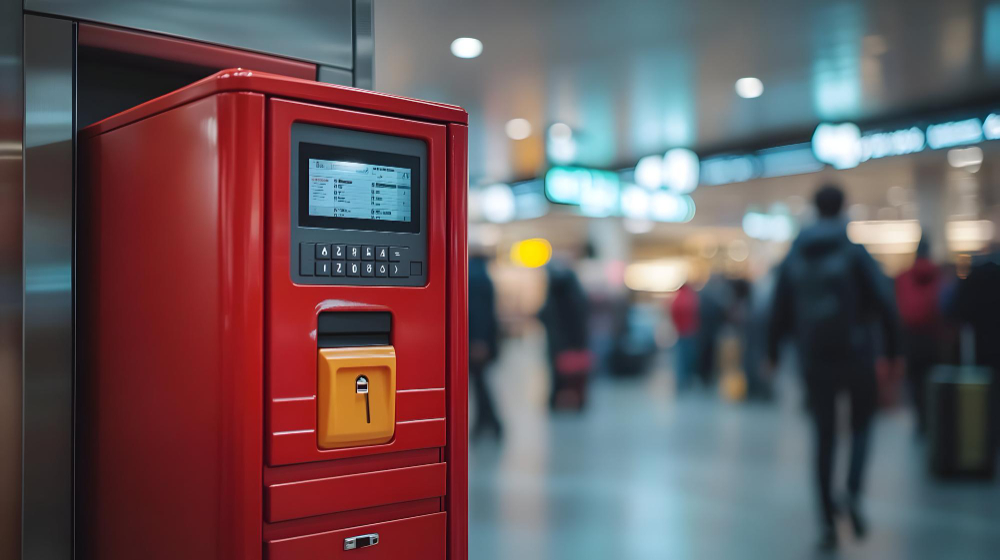
You’ve probably used a ticket vending machine without thinking about it—tap a screen, pay, and a paper ticket or receipt prints in seconds. Many ticket vending machines also allow travelers to purchase tickets in advance, sometimes up to a year ahead, providing flexibility for trip planning. Behind that simple moment is a piece of equipment that lives or dies by reliability: if it’s down, you don’t just lose a few snack sales—you create a line, frustrated customers, and a problem for the venue.
This guide explains what ticket vending machines are, how they work, where they’re used, what typically goes wrong, and what it takes to operate or service them professionally.
Introduction to Ticket Vending
Ticket vending machines have become a cornerstone of modern public transport systems, streamlining the way customers purchase tickets for light rail, trains, and buses. These machines, often referred to as ticket dispensers, are designed to offer a fast, reliable, and user-friendly experience for riders. With a wide range of payment options—including credit and debit cards, cash, and contactless payment methods—ticket vending machines cater to the diverse preferences of today’s travelers. Whether using Visa, Mastercard, Discover, or debit cards, customers can quickly and securely buy tickets at stations or onboard, reducing wait times and improving overall efficiency. The integration of ticket vending into public transport networks has not only enhanced convenience but also supported the shift toward cashless, automated systems, making it easier for everyone to access tickets and travel seamlessly.
What “ticket vending machine” usually means
Depending on the industry, ticket vending can refer to one of these common setups:
- Transit ticket machines (subway, rail, bus terminals)
- Parking/payment kiosks (tickets, receipts, validation)
- Event/venue ticket kiosks (entry passes, will-call pickup, QR receipt printing)
- Queue and service ticket dispensers (number tickets for waiting lines)
The core idea is the same: the device sells or prints a “proof of access” document—paper ticket, receipt, or sometimes a reloadable card. These devices can be equipped with optional features to suit the needs of different venues and industries.
Types of Machines
Ticket vending machines come in a variety of forms, each tailored to meet specific needs and provide additional convenience for customers. Some machines are built for indoor environments, such as train stations or airport terminals, while others are ruggedized for outdoor installation, featuring weather-resistant casings and secure payment terminals to withstand the elements. Payment options also vary: certain machines accept only cash, while others are equipped to handle credit and debit cards, as well as contactless payment methods for quick, tap-and-go transactions. In terms of ticket delivery, some machines dispense traditional paper tickets, while others issue electronic tickets or validate existing passes. There are stationary ticket vending machines for high-traffic areas, mobile ticket vending machines for flexible deployment, and cashless ticket vending machines that focus solely on card and digital payments. Each type is designed with specific features to address the unique requirements of different venues and customer groups, ensuring that ticket vending remains accessible and efficient for all.
How ticket vending machines work (in plain language)
Most modern ticket vending machines follow this flow:
- User selects a ticket type, destination, and quantity
Example: single ride, day pass, zone-based fare, parking duration, event admission. Users choose their destination, select the appropriate ticket type, and specify the quantity of tickets needed.
- Machine calculates the price
Prices may be fixed, time-based, or based on zones/destinations. The machine calculates the fare based on the selected destination and ticket types.
- Payment is accepted
Users can choose their preferred payment method, including cash (coins and bills), credit card (using a credit card reader or chip), vouchers, or mobile wallets. Some machines allow payment with exact change to streamline the transaction and avoid receiving vouchers or non-cash change. Note that some machines limit the number of tickets that can be purchased in one transaction (e.g., up to five tickets).
4. Ticket or receipt is produced, value is loaded, and details are displayed
- Printed valid ticket (thermal paper)
- Receipt with QR code
- Reloaded card (smart card/NFC) where tickets or value can be loaded onto a smart card or voucher
- A digital confirmation (some kiosks print optional receipts only) Ticket details, codes, or expiration dates may be displayed on the screen. The machine may print a valid ticket or provide a digital confirmation, and validating tickets may be required before boarding. Only a valid ticket is accepted for travel, and the value loaded or redeemed is important for fare compliance.
- Transaction is logged and tickets are validated
Even basic machines track totals; advanced systems can track the value of transactions and support validating tickets for system compliance.
The “consumables” you end up managing
Unlike snack vending where products vary by location, ticket machines often rely on a few critical consumables:
- Thermal paper rolls (the biggest one)
- Ink ribbons (less common now, but still exists in some printers)
- Smart cards (if the machine issues/reloads cards)
- Receipt stock / validation stock (some systems use different paper types)
If you operate multiple machines, paper alone becomes a real operational task: the best machine in the world can’t sell tickets if it can’t print.
Payment systems: what’s typical
Most public-facing ticket kiosks now need at least one form of cashless payment. Common configurations include:
- Card + contactless (NFC)
- Mobile wallets
- QR-based payments (regional, system-dependent)
- Cash acceptance (still used in many transit environments, but higher maintenance)
Modern ticket vending machines often feature a multifunctional payment terminal that handles various cashless payment methods, integrating payment processing with user-friendly features for seamless transactions.
If a machine takes cash, the complexity goes up: bill validators, coin mechanisms, cashbox security, and more frequent collections.
Some payment modules are designed for plug-and-play installation, allowing for quick setup and easy maintenance.
Installation and Maintenance
Proper installation and ongoing maintenance are essential for the smooth operation of ticket vending machines in public transport settings. These machines are typically installed at key locations such as stations, bus stops, and transit hubs, where they are connected to secure payment systems and integrated with the broader ticketing network. To ensure reliability, regular maintenance routines are established, including checking and replenishing cash and coin systems, updating software, and performing routine cleaning. Accessibility is a priority, with many machines featuring braille labels, audio instructions, and ADA-compliant designs to accommodate all passengers. By focusing on user-friendly features and robust maintenance practices, operators can minimize downtime and provide a seamless ticket purchasing experience for every customer.
Where ticket vending machines make the most sense
Ticket vending machines work best where customers already expect self-service:
- Transit stations and terminals
- Parking garages and lots
- Museums, cinemas, stadiums, and attractions
- Government buildings and service centers (queue tickets)
- Large campuses with controlled access
The key factor is not just foot traffic—it’s transaction urgency. When someone needs a ticket to move forward (enter, park, ride), uptime becomes non-negotiable.
Accessibility and Compliance
Modern ticket vending machines are designed with accessibility and regulatory compliance in mind, ensuring that all passengers can independently purchase tickets and navigate public transport systems. Features such as braille labels, audio instructions, and tactile buttons make the machines usable for individuals with visual or mobility impairments. High-contrast displays and clear, step-by-step instructions further enhance usability for a wide range of customers. The inclusion of multiple payment options, including contactless payment, provides added flexibility for those who may find handling cash or cards challenging. By prioritizing accessibility and compliance, ticket vending machines help create an inclusive environment where every passenger can confidently and easily complete their ticket purchase.
The biggest operational challenges (and how professionals handle them)
1) Printer downtime
Most “broken machine” complaints come down to printing:
- Paper jam
- Out of paper
- Printer head issues
- Cutter failure
Best practice: treat paper like inventory. Monitor it and restock before it hits zero.
2) Payment hardware issues
Card readers and validators are common failure points:
- Dirty contact surfaces
- Network drops
- Reader firmware problems
- Cash acceptance jams
Best practice: keep cleaning routines and fast swap procedures for high-fail components.
3) Vandalism and tampering
Ticket machines sit in public. They need:
- Strong locks and reinforced doors
- Tamper detection
- Clear placement (cameras nearby if venue uses them)
4) Network and software reliability
If the machine can’t authenticate pricing rules, payment processing, or backend validation, it may stop selling.
Best practice: offline fallback rules (where allowed) and clear “service mode” workflows.
Safety and Security Features
Security is a top priority in the design and operation of ticket vending machines. These machines are equipped with a range of features to protect both customers and operators, including tamper-evident seals, secure payment terminals, and advanced encryption for payment processing. Regular software updates help guard against hacking and fraud, while sensors and alarms deter vandalism and unauthorized access. Ticket vending machines are typically installed in well-lit, monitored locations to further enhance safety. With these robust security measures in place, customers can trust that their transactions are protected and that their payment information remains secure throughout the ticket purchasing process.
What “good reporting” looks like for ticket vending
Whether you’re a venue or an operator, you want clarity on:
- Transactions per machine per day
- Payment mix (cash vs card/contactless)
- Paper usage rate (how fast rolls disappear)
- Error logs and service events
- Cash collection totals (if applicable)
That’s the difference between “we service it when it breaks” and “we run a predictable system.”
A simple checklist before you invest in ticket vending
If you’re evaluating a ticket vending machine opportunity, ask:
- Who owns the pricing rules and ticket logic (you, the venue, or a central system)?
- What are the consumables and how often will they need replacement?
- How will you handle payment hardware servicing and network issues?
- What is the required uptime expectation (and penalties if it’s down)?
- What does the venue expect for reporting and cash handling?
- Who is responsible for vandalism or damage?
If you can’t answer these clearly, the project can become expensive fast.
Bottom line
Ticket vending machines can be a strong, stable business in the right environment—but they’re not like snack vending. They’re closer to running essential infrastructure: reliability, consumables, and service response matter as much as sales.
Want more vending business tips?
Subscribe to our free 2-week email course and learn how to start a successful vending business.