Stickers look simple, but they’re one of the most reliable impulse products you can vend. Low cost, quick decisions, wide age appeal—and margins that can outperform snacks in the right spot. This guide walks you through the models, placements, sourcing, pricing, and day-to-day routines that make sticker vending a steady earner.
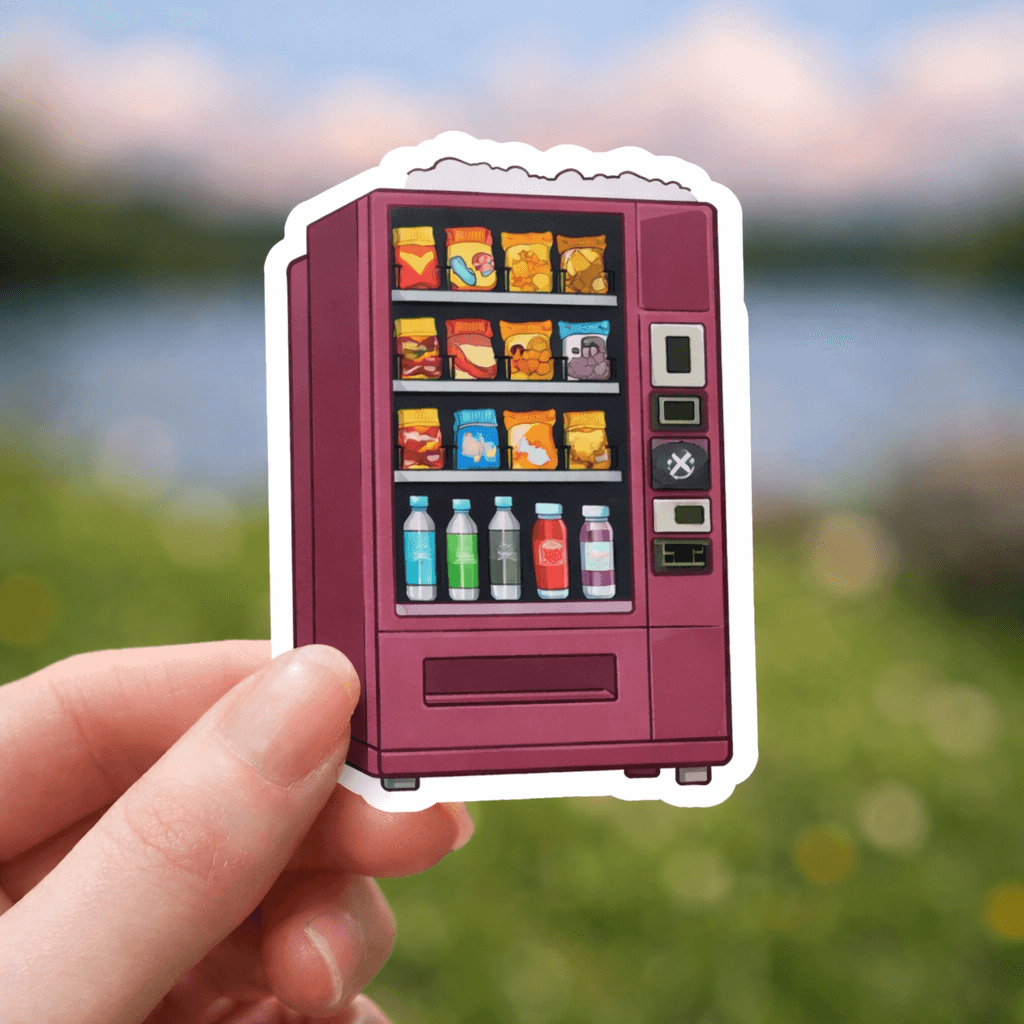
Why stickers work
- Impulse is built-in. Bright art, low price, quick choices.
- Wide audience. Kids, teens, and even adults (laptops, bottles, lockers, luggage).
- Fun and engaging. Sticker vending machines create a lively atmosphere, attract attention, and provide an enjoyable experience for customers and booth visitors.
- Low spoilage. No temperature control, long shelf life.
- Simple service. Fewer moving parts than snacks or drinks.
When you place the machine where families linger—malls, cinemas, arcades, family entertainment centers, bowling alleys, skating rinks, activity parks—stickers sell all day.
The machine options (and what each is good at)
1) Mechanical flat-vend sticker machines (most common)
- How they work: Coins turn a vend wheel that is turned to cut and drop a flat cardboard envelope containing a sticker sheet.
- Vend price: Typically $1–$3 depending on size/licensing (set via coin mech).
- Pros: Simple, durable, low maintenance.
- Watch-outs: Coin-only unless you add external solutions; keep blades clean and aligned. It’s easy to change out the vend wheel or other components to customize the machine for different products.
2) Capsule venders (1″ or 2″)
- How they work: Coins release a capsule. You can load folded stickers, charms, or small toys.
- Pros: Huge variety, strong “mystery” appeal.
- Watch-outs: Packaging and capsule size must match the wheel; label age warnings. It’s important to keep capsules and accessories in stock to ensure continuous operation and product availability.
3) Electronic merch vendors (multi-selection)
- How they work: Columns or spirals dispense sticker packs, blistered mini kits, or accessory bundles. Customers can place an order for electronic merch vendors and customize them with options like different coils, decals, or accessories to fit their needs.
- Pros: Supports card/tap; easier to add telemetry. You can purchase additional coils or accessories to expand or customize the machine.
- Watch-outs: Higher cost, more to maintain than mechanical flats.
Placement strategy: go where people wait (and ask first)
- Family footfall: cinemas, arcades, FECs, trampoline parks, zoos, aquariums.
- Youth traffic: skating rinks, bowling, sports centers, after-school spaces (follow local rules).
- Retail corners: party stores, gift shops, malls near toy/game tenants.
- Mixed venues: laundromats, casual restaurants with kids’ areas.
Bring a simple one-page proposal: footprint, vend price, service schedule, and a small revenue share (or a flat site fee). Keep it short and friendly.
Sourcing: licensed, original, or both (but never counterfeit)
- Licensed designs: popular characters and brands. Higher cost, high pull—buy only from authorized distributors and keep invoices.
- Original/indie art: lower cost, great for local flavor. Rotate designs to keep it fresh.
- Seasonal sets: holidays, graduation, sports seasons—time-boxed “limited” themes drive repeat buys.
- Accessories that pair well: mini sticker books, small sleeve packs for laptops/water bottles (for electronic vendors).
Rule #1: stay clear of unlicensed look-alikes. One complaint can cost a whole location.
Pricing that feels fair (and protects margin)
- Flat-vend: match coin mechs—$1, $1.50, $2, or $3 per vend depending on art and size.
- Capsules: similar logic; premium capsules can reach $2–$3.
- Electronic vendors: keep two price bands (standard / premium) so the board is easy to read.
Operators can also save money by purchasing scratch & dent sticker vending machines or discounted accessories, allowing them to allocate those savings toward enhancements like custom decals or lighting.
Aim for a 2.5×–4× markup after envelopes/capsules and fees. If you see pushback, add a visible value option (simple designs at the base price).
Display and planogram: make choosing fast
- Front cards sell the vend. Bright, clean sample cards behind glass; no sun-faded art.
- Group by theme. Cute animals together, sports together, “aesthetic” designs together.
- Limit choices. Six to eight visible themes on a rack is plenty.
- Rotate monthly. Swap one or two themes each service cycle so regulars see something new.
Clear, simple boards outsell cluttered ones every time.
Daily operations: the small habits that keep money flowing
- Coins & locks: empty the cash box regularly; use quality locks and bolt-downs.
- Blades & wheels: keep the cut path clean; replace dull blades before they fail.
- Humidity & sun: stickers curl in damp heat—avoid direct sunlight and exterior doors.
- Signage: age warnings for capsules, a “no refunds on opened items” notice, and a phone number for issues.
Leave short notes in your route app (“Top left theme sold out—bring 2 boxes next time”). These micro-notes are gold.
What “good” sales look like (sanity check)
- Entry level: 75–125 vends per week per rack (three-to-six heads) at $1–$2 each.
- Strong sites: 150–300+ vends/week during weekends and holidays.
- Event spikes: double or triple during movie releases or venue specials—service right before busy times.
If a site lags for four straight weeks after rotations and a price check, move the machine. Velocity beats sentiment.
Math you can do in two minutes
Cost per vend (example flat-vend):
- Sticker sheet & envelope: $0.35–$0.75 (licensed costs more).
- Your vend price: $2.00.
- Gross margin: ~$1.25–$1.65 per vend before commission/overhead.
Weekly break-even target:
- If you pay a small site fee or 10% commission and service weekly, many operators look for $150–$250/week per rack to feel worthwhile after time and fuel.
Adjust to your market and time-on-route.
Common problems (and fast fixes)
- Lots of jams: reduce stack height; clean the cut path; check wheel alignment.
- One theme never moves: move it to eye level for one week; if no lift, replace.
- Complaints about price: add one visible value theme; keep the rest at your target.
- Vandalism/theft: add a bolt-down plate, better lighting, and a camera view where allowed—or relocate.
Sample one-page agreement for a host site
- Placement: rack size, exact spot, and hours of access.
- Compensation: commission % or flat monthly fee, paid with a simple monthly report.
- Service: your routine day and response time for issues.
- Content: only family-appropriate stickers; licensed products where applicable.
- Damage/theft: who covers what, and when you may relocate.
- Term: 90-day trial → month-to-month with 30-day notice.
Short, friendly, and easy to renew.
Bottom line
Sticker vending works because it’s simple: bright art, fair price, the right spot, and steady service. Start with a clean rack, six to eight strong themes, and a weekly routine. Keep your rotations fresh, and move under-performing racks without drama. Do that, and stickers become a dependable, low-stress profit stream on your route.
Want more vending business tips?
Subscribe to our free 2-week email course and learn how to start a successful vending business.