You’re walking past a vending machine and you notice a tiny black circle near the payment reader. For a second you wonder: Is that a camera? Is this thing recording me?
That moment happens more often than you’d think—because modern vending machines have more sensors and electronics than they used to. However, only some modern vending machines are equipped with cameras. The honest answer is: sometimes vending machines have cameras, but most of the time what you’re seeing isn’t a camera at all. Here’s how to tell the difference, what cameras are actually used for, and what it means for you as an operator (or as a location owner).
The short answer
- Most traditional snack and drink vending machines do not have built-in cameras.
- Some machines are connected to telemetry (remote monitoring) or cashless payment systems that track sales data, not video.
- Certain “smart vending” formats—especially smart fridges / grab-and-go cabinets—may use cameras or computer vision to identify what customers take.
So yes, cameras exist in vending, but they’re not the default.
As technology advances, it is reasonable to expect more vending machines to include cameras for enhanced security, monitoring, and customer experience.
The “camera” people think they see (usually isn’t one)
The most common source of confusion is the payment area. These parts often look like a camera lens, especially in low light:
- Contactless payment hardware (the reader face, NFC area, indicator lights)
- Infrared or light sensors used for vend detection or door status
- Telemetry modules (small housings or LEDs used for connectivity/diagnostics)
- Ambient light sensors that adjust screen brightness
- Security seals or screws that resemble a lens at a glance
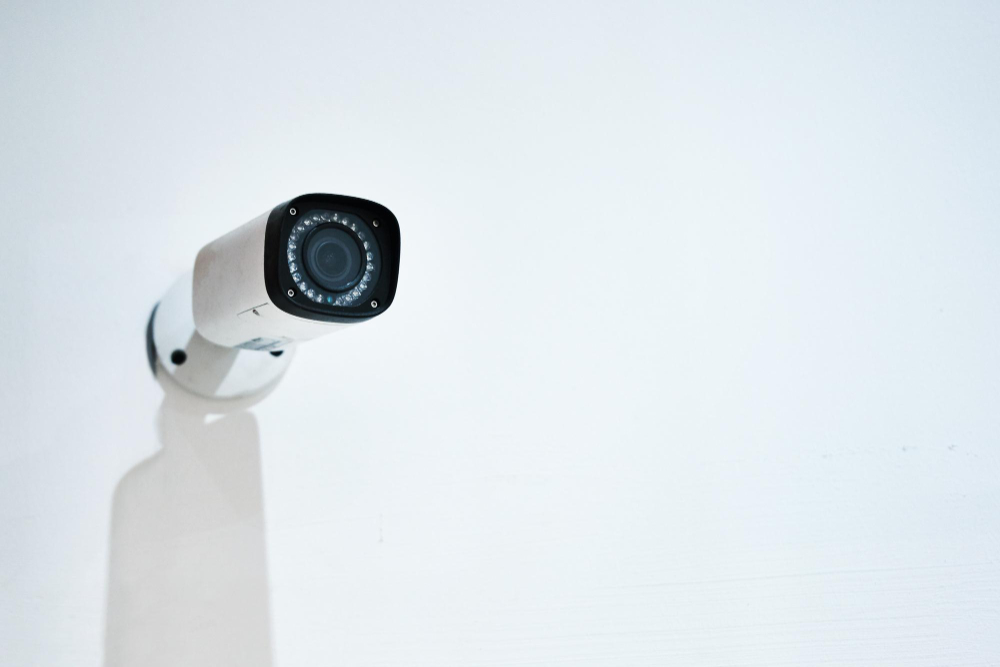
Visible cameras, which are typically more obvious and intended to deter theft or vandalism, are not usually found in standard snack or drink vending machines.
If the machine is a standard spiral snack vendor or drink vendor, that “lens” is very often just a sensor or part of the card reader.
When vending machines do have cameras
There are a few situations where cameras are more likely. The increasing presence of cameras in advanced vending machines is notable, especially in high-security or customer-interactive models. Some businesses install cameras to stay ahead of the competition by enhancing security and improving operational efficiency. Cameras are often used for enhancing security in high-risk environments, such as locations prone to theft or vandalism.
1) Smart fridges and “grab-and-go” cabinets
These are the machines most people mean when they talk about vending with cameras.
- The user opens the door (often by tapping a card/phone).
- Cameras and sensors track what items are taken.
- Some advanced systems use facial recognition to verify age or personalize the customer experience, and may capture an image of the user for identification or verification purposes.
- The system charges the customer based on what they grabbed.
In this setup, cameras are part of the item recognition system, not “security filming” in the classic sense.
2) High-security locations or high-risk environments
In some locations, a camera may be installed for theft prevention. Often this is not inside the vending machine, but mounted nearby by the facility.
If an incident such as theft or vandalism occurs, the camera footage can be reviewed to determine what happened. This footage can also be provided to the police to assist in investigations.
3) Age-restricted or controlled vending setups (region-dependent)
In a few markets or niche setups, operators use additional verification systems. Cameras may be used for ensuring compliance with age restrictions and other regulatory requirements, such as verifying the purchaser’s age for products like alcohol or tobacco. Whether cameras are allowed or required depends heavily on local laws and venue rules—so operators must ensure compliance with all relevant laws and data protection standards before deploying such systems, not after.
What data is typically collected (even without a camera)
Even when there’s no camera, modern vending can still feel “smart” because it tracks a lot of operational data:
- Sales totals by product selection
- Cashless transaction logs (timestamp, amount, and transactions—not personal identity)
- Machine status (errors, door open/close, temperature on cold machines)
- Inventory estimates (depending on system), which can determine when stock is low or needs replenishing
This data helps operators restock efficiently, reduce downtime, and keep machines profitable—without needing video.
Privacy and signage: what’s “normal” to communicate
If you’re an operator, the safest way to handle the question is to be clear and calm:
- If there’s no camera: say that directly, and explain what telemetry/payment systems track (sales and machine status).
- If there is a camera (smart fridge / vision system): add simple signage that states the purpose (item identification / security) and follow your provider’s recommended privacy language. Make sure to address privacy considerations by informing users about how their data is collected and used.
- If the location has building cameras pointed at the machine: make sure the facility is responsible for that signage, not you.
Avoid over-explaining. People mostly want reassurance that they’re not being recorded unnecessarily.
A quick checklist for operators
Before placing or upgrading a machine, vending machine operators should ask:
- Is this a standard snack/drink vendor, or a smart cabinet with item recognition?
- Do I have a cashless reader and telemetry? If yes, what data is collected?
- Does the location have any special privacy expectations (schools, clinics, government buildings)?
- If cameras are involved, is signage required by law or venue policy?
- Can I explain it in one sentence without sounding defensive?
- Is the company ensuring compliance with all relevant privacy and security regulations?
If you can’t explain it simply, the setup is probably too complicated for that location.
Where VendSoft fits in this conversation
VendSoft is designed to help you run your vending machine business with clarity—tracking sales, machine performance, inventory movement, and trip results.
Whether your machines are basic snack vendors or connected through telemetry providers, the goal is the same: get reliable numbers so businesses can service smarter and grow confidently—without turning your operation into a mystery for your locations or your customers. VendSoft also helps businesses watch over their operations and ensure accountability across all aspects of their vending machine business.
Bottom line
In today’s world, technology is rapidly changing the vending machine industry. While most vending machines don’t have cameras, modern vending can still collect a lot of useful data through payment systems and telemetry. However, cameras are increasingly used to protect money, snacks, and other valuable items from theft, break-ins, and tampering. These cameras capture video footage, which is stored on devices such as an SD card, and may include audio recording features. Some systems use motion detection to trigger recording, and camera footage can be used to review what happened during an incident, helping to recover stolen items and prevent theft.
Following general principles—such as data protection, privacy, and compliance—is essential, and using passwords to secure recorded data is a key security measure. Camera data can also be used for marketing purposes, like analyzing consumer behavior and adjusting prices. Ensuring safety and secure storage helps build trust with consumers and benefits communities. Some businesses may be interested in advanced features like audio, motion detection, and facial recognition. Vending machines may be arranged in a row, making secure storage and compliance even more important.
Cameras are more common in grab-and-go smart cabinets, where they’re used for item recognition, not “recording people” in the traditional sense.
Want more vending business tips?
Subscribe to our free 2-week email course and learn how to start a successful vending business.